
Join us for the final Bible Feed Podcast episode of 2025 as we explore Old Testament prophecies about the Messiah, Jesus Christ, in an advent calendar format! Guided by Paul, the arbiter of chocolate rewards, Dan and Laurence delve into 24 quotations, discussing their origins, contexts, and fulfillment in Jesus' life, ministry, and resurrection. From Genesis to Isaiah and beyond, discover how these ancient texts foretell the coming of the Messiah, his humble birth in Bethlehem, and his ultimate role in salvation. Tune in for an enriching journey through scripture as 2025 draws to a close.
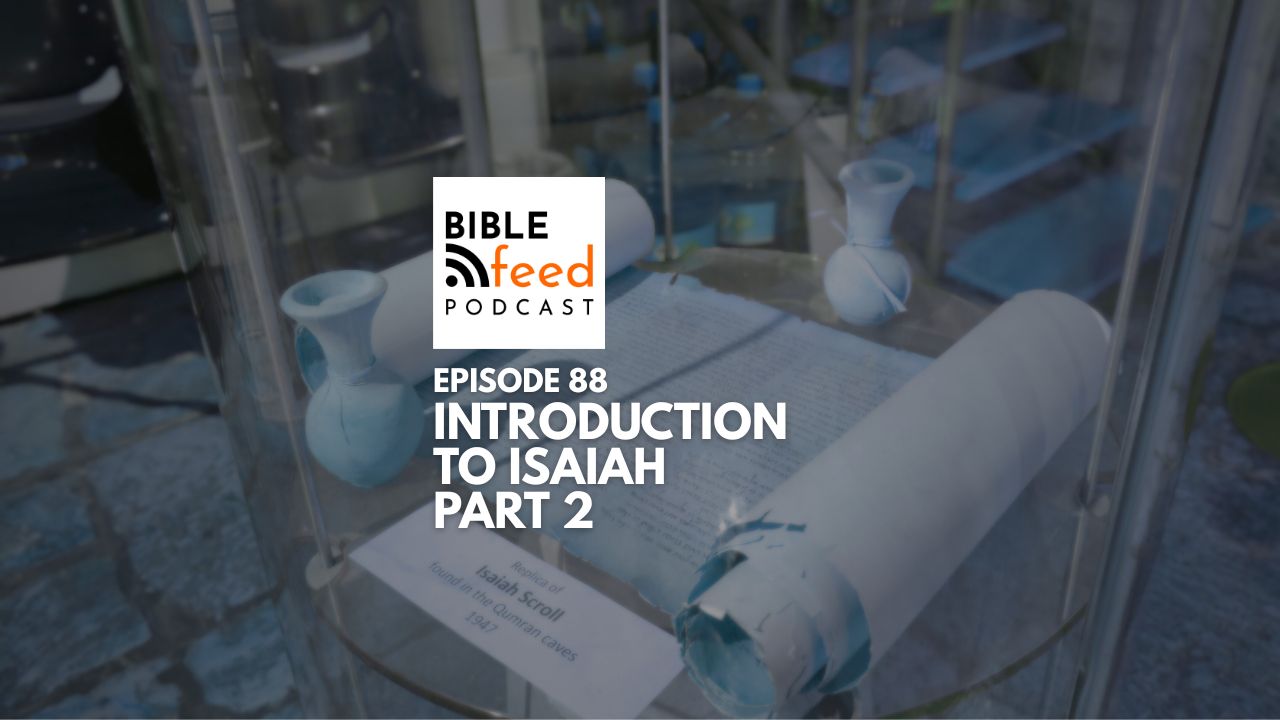
We continue our review of the book of Isaiah with a recap about prophets and an exploration into the second half of this book. King Hezekiah and the Assyrian invasion provides the background to this awesome section of scripture, from Isaiah 40 to 66 including the famous servant songs and how they apply to Jesus.
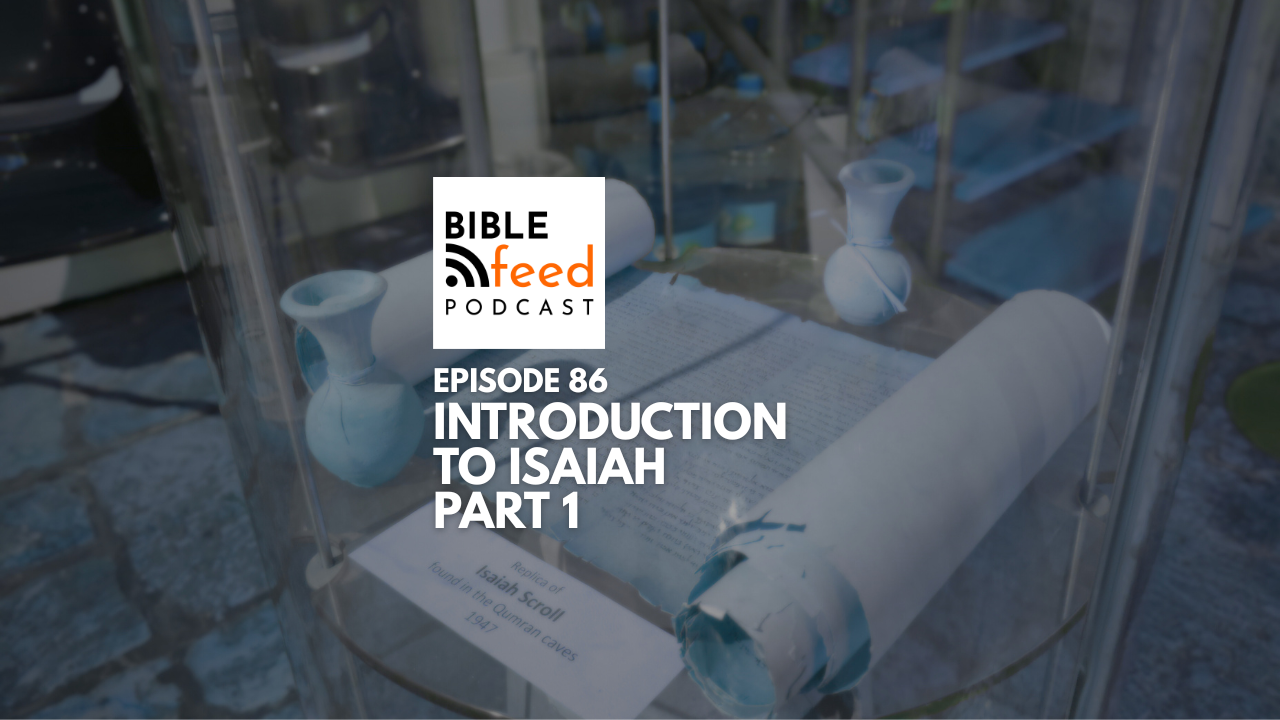
Paul and Dan continue a mini-series on the Prophets with an introduction to the first half of the book of Isaiah. They cover the historical background to the book and look at some examples of his message to Judah and the surrounding nations. They aim to demystify Isaiah's complex narrative and encourage listeners to dive into the text themselves.
Dan and Paul introduce a mini-series exploring the role of prophets in the Bible. Recalling their first podcast on prophecy and faith back in 2020, they revisit key themes, focusing on the significance of prophets in the covenant history of Israel. They discuss the diverse ways prophets conveyed their messages—through criticism, warnings, and symbolic actions and set the stage for a more detailed exploration of Isaiah and the minor prophets.
Paul and Dan talk about "intertextuality" - basically, how the meaning of a text is influenced by references to other texts. The Bible (not surprisingly) is full of links between its 66 books. But how far can we take this? Can we go too far and see patterns where there are none (like seeing the face of Jesus in a slice of toast)?!
Is the phrase 'sons of God' used to refer to angels? If so, does that include spiritual beings with independent power to oppose God and his people? Using the framework of Michael Heiser's book, Unseen Realm, we start to examine what is termed the 'Divine Council' worldview. This involves grappling with some of the most mystifying parts of the Bible text - but hey, we're just ordinary people trying to understand the Bible better!

At Bible Feed our aim is to motivate you to read your Bible as you've never read it before. Reading plans are good but I find there are different ways of reading that are perhaps more important in getting to a good understanding of passages.

Laurence Davenport and Dan Weatherall continue delving into the gospel of Matthew. The focus this time is how well structured the book is around major themes that are developed throughout the book. Jesus is presented as someone with authority and he is given that curious name, Immanuel. What does that mean? And how would the first readers of Matthew have understood God to be with them?
We begin a new series in which we explore the deep questions around the relationship between God and Jesus, the Son of God. In this episode Josh Dean and Paul Davenport look at how Unitarians and Trinitarians both look at the same scriptural ‘raw materials’ but come to different conclusions. Why is that? How should we evaluate whether one view is more appropriate than the other? Are they both truly Christian perspectives?

Looking back beyond the very beginning of time might bend your mind, but it's well worth the strain on your brain since it gives good reason to believe that something eternal, everywhere present and all powerful exists! Perhaps, it's God?